
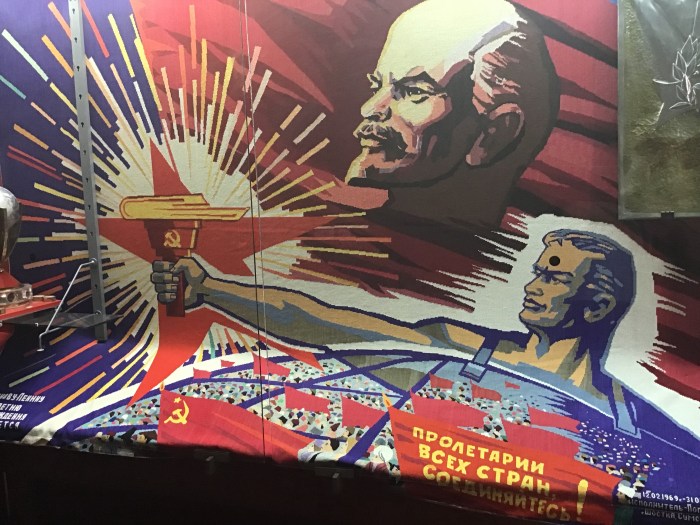
 Leningrad wasn’t the only place named after Vladimir Ilyich Ulyanov.
His birthplace, formerly Simbirsk, took its current name after he died in 1924.

One of eight children, two of his siblings died young.
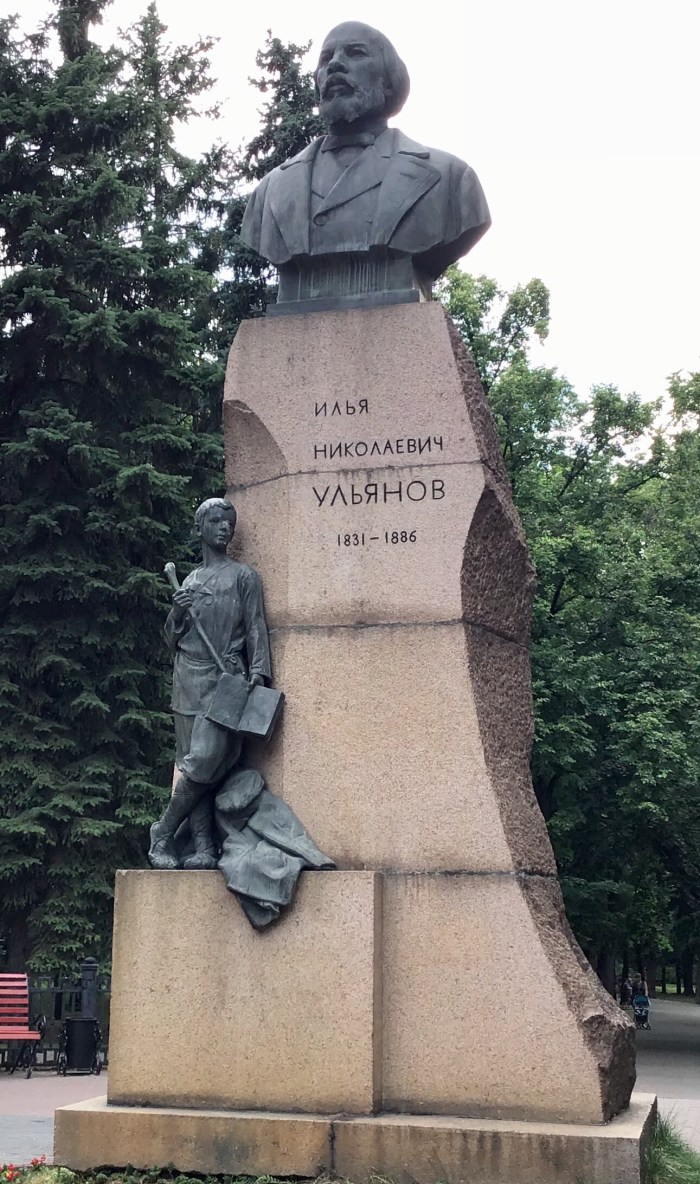
His father, a well regarded teacher seems to have raised a fiery bunch of revolutionaries although Russia was rife with anti-Romanov plots for decades. He died in 1886, when VI was about 15.
His brother Alexander was executed a year later, aged 21, for his part in trying to assassinate Tsar Alexander III.
The memorial museum
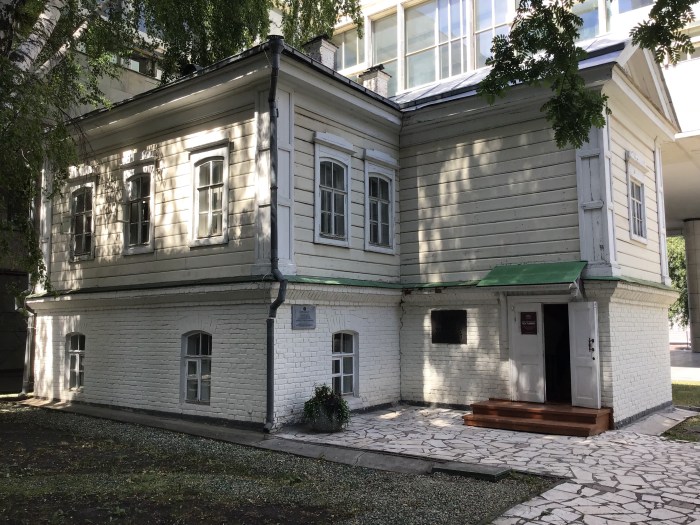
His father was a teacher and his mother an accomplished musician. They lived in the above house for a while and moved to a neighbouring home because it was too cold.
About 600,000 people live in there city which is on the banks of the River Volga, which is so wide at this point that it looks Luik a huge lake.
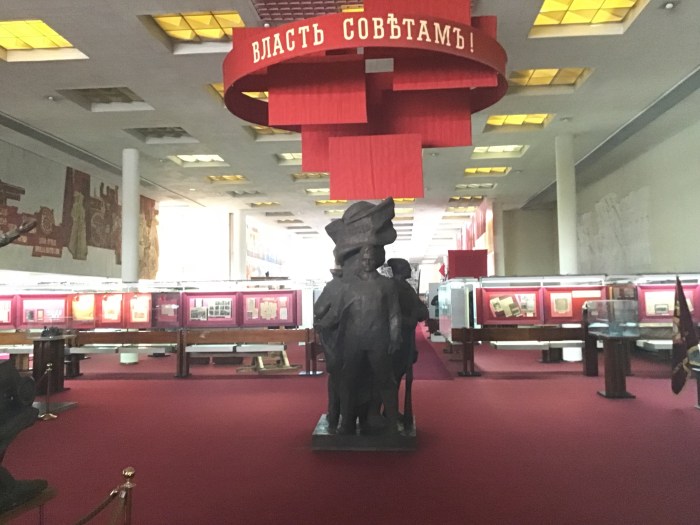
As well as Lenin-related stuff there is a vast array of exhibits relating to the events of the October Revolution in 1917.

There is a strong sense that whatever people in other countries think of him, he is to be revered.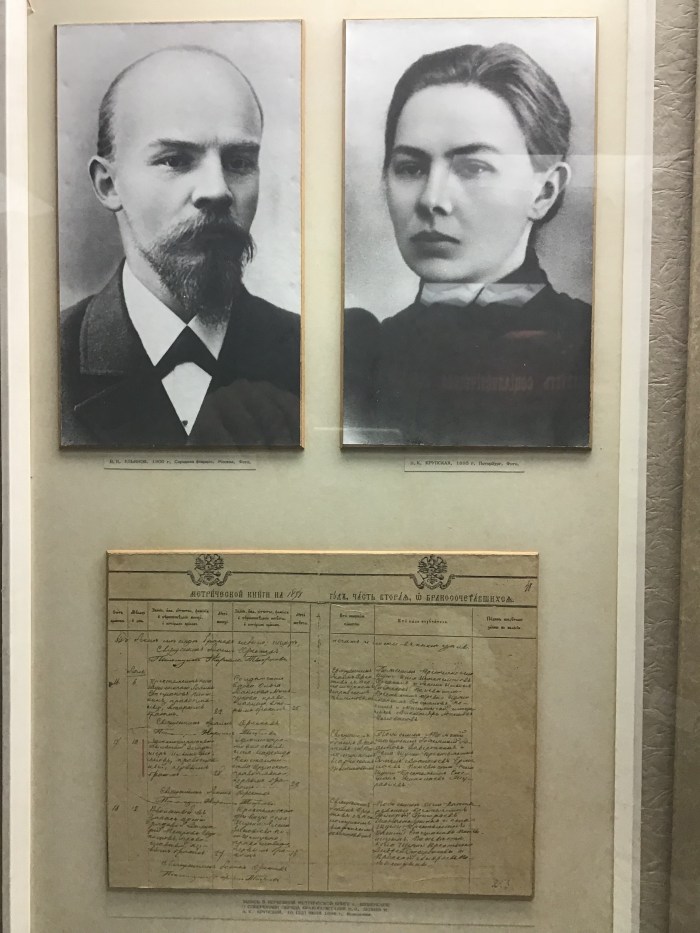
Lenin married Nadezhda Krupskaya in 1894 – this the marriage certificate. She later served in the communist government.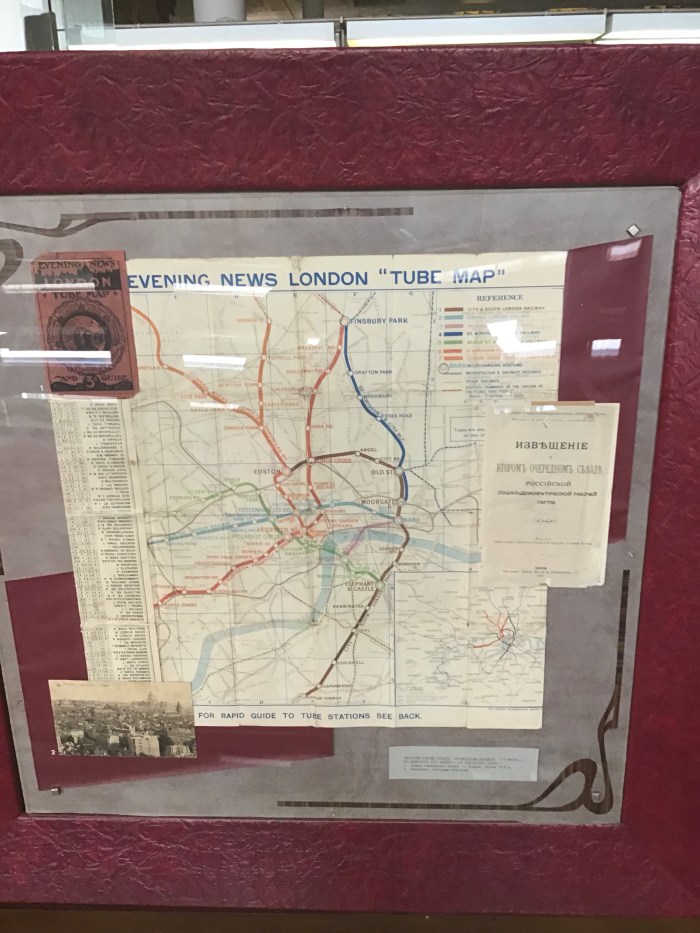
The museum site is huge and has been fenced off. The building, completed in the 60s, appears to have concrete cancer and parts of the exterior are crumbling.
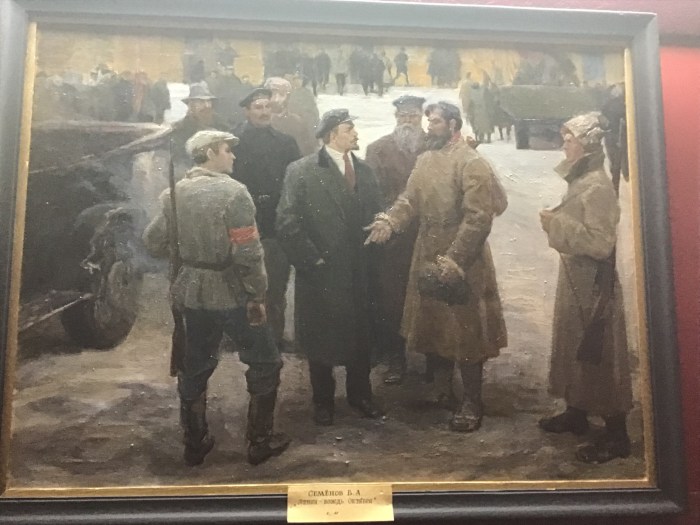
The exhibitions also include the obligatory references to the Great Patriotic War and feature respectful tributes to recent and current Russian leaders.
 Many post-Romanov leaders of Russia feature – here’s Poot’s cabinet
The other one
There are two museums. When he was eight, the Ulyanovs moved a couple of miles across town to what is now an elegant residential street of houses.
I was told his family helped to re-create the interior of the family home, exactly as it had been when VI lived there. This work was carried out in1944.
Lenin left aged 17, for university in Kazan where he lasted only 120 days before being expelled for protesting against the tsaris government.


This house is mainly a collection of bedrooms. The attendant switches on Beethoven music as you enter the reception room, and switches it off once you’ve left.
As with pretty much all former Soviet museums, middle aged women, never men, are employed to manage each room. Often the number of attendants exceeds the number of visitors.

All are charming, chatty ladies – if you can speak Russian, they are happy to talk. One has worked there for 34 years.
With a Soviet-era precision for statistical accuracy, they said 90 football fans had attended the family home museum since the start of Russia 2018.
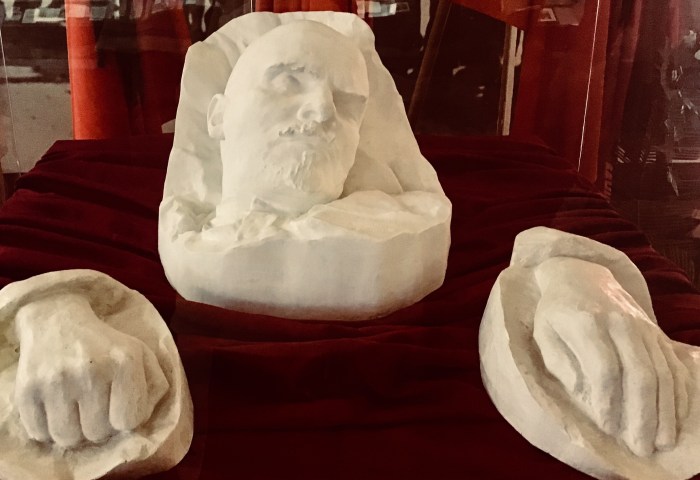
The pickled remnants are in Red Square. His death mask is featured in the memorial museum.
 Miles from Nowhere