Ukraine soldiers on, and so does its premier league.
Football is played in the face of evil. In a sense, its very existence is poetic. And symbolic.
Never a dull moment here. Woken at 3am by a Shahed flying over Kyiv, it was panic stations.
Almost as scary was the five-hour bus to Oleksandriya driven on bad roads by a guy seemingly on steroids whose phone was stuck to his ear most of the way (top tip: NEVER get the bus to Oleksandriya).
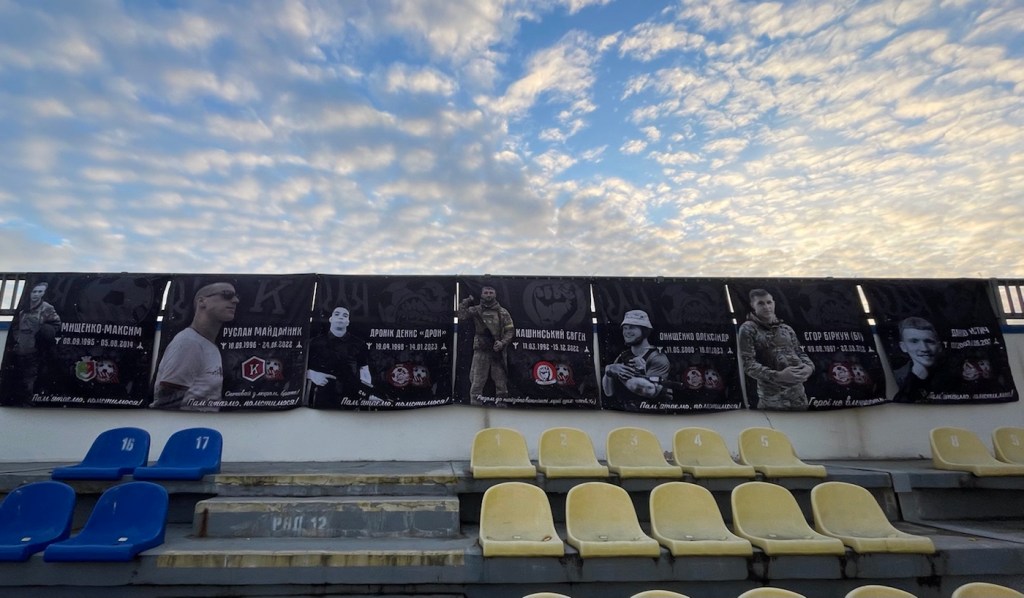
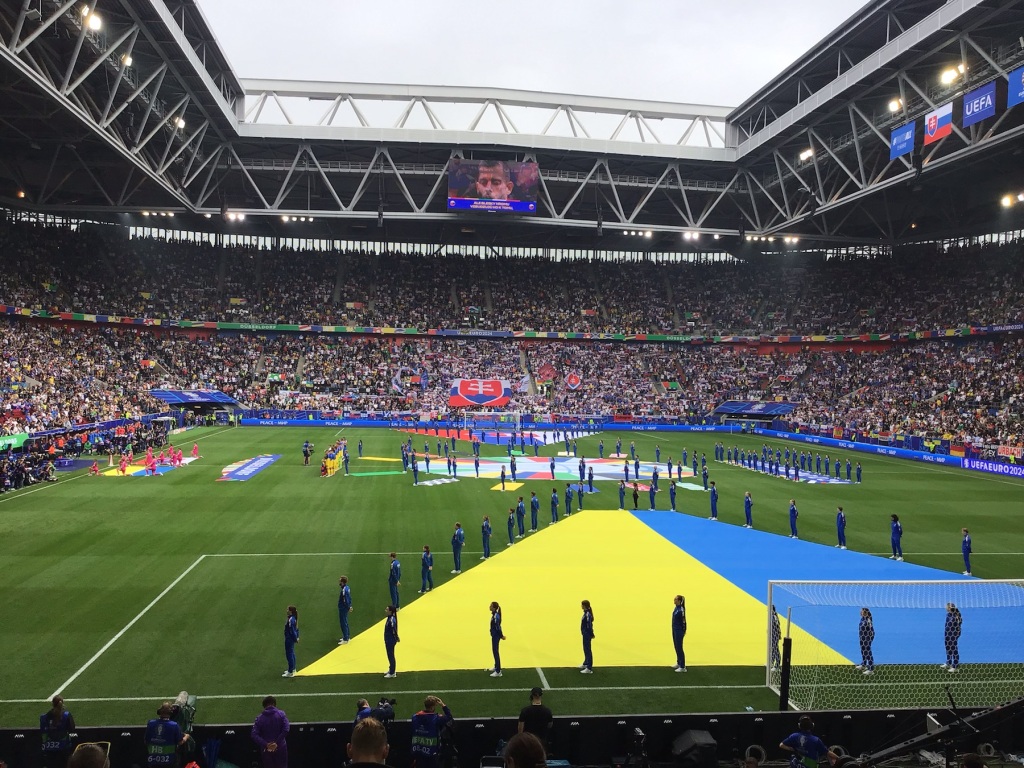
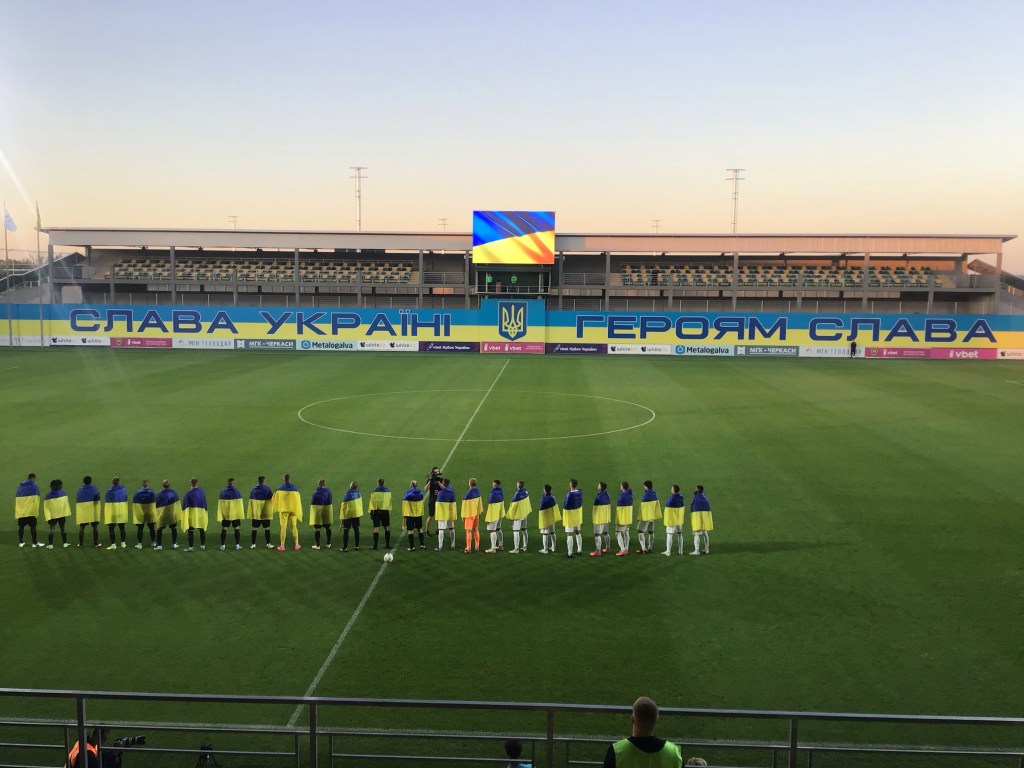
Perhaps the most anticipated game in the country’s history, what a shame many Ukraine fans weren’t able to attend. Some, of course, are no longer with us.
Half an hour before kick off a friend in Poltava messaged: “We’ve just got a bomb near my mum. They’re OK but very scared. Have a nice time.”
Which pretty much put everything in perspective. In the two hours or so of this match, it’s likely a few Ukrainians died on the front line fighting Putin.
Well this one had war written all over it. Only thing missing was a Red Arrows flypast.
For starters, Metalist playing in their home city of Kharkiv risks bombs falling during the game without warning. So not much point playing there.
Here in Kyiv, sirens go off well before any cruise missile/Russian rocket hits the city. Most are shot down.
In Kharkiv, close to the border, you take your chances. One guy told me: ‘My friend there says that when they bomb he just goes to sit on the toilet and pray.’
Does president Zelenskiy’s magical mojo extend to the team from his home town? They played like it has.
The crew from Kryvi Rih came back from one down to thrash the hosts with a slick, confident display that took them to top of the table for 24 hours until Shakhtar’s 1-1 draw returned them to first.
Last time I visited Vorskla, you could throw snowballs at the substitutes when it got boring. This time it was 28 degrees Centigrade.
Lviv’s lively street celebrations almost defy belief more than 550 days after Russia launched its crazed invasion.
Above, crowds gathered to banish the blues as a series of acts entertained citizens before the city suffered its first bomb attack shortly after I left for Kyiv.
Wednesday 8pm: It’s as if there is no war – Lviv is celebrating itself.
Crowds throng the half-mile long piazza in front of the city’s opera house under the watchful eye of national poet Taras Shevchenko, looking down benignly from his plinth, and probably delighted by the spectacle.
Children scamper through the ornamental fountain; old men play backgammon with an intensity you can almost smell; babushki gossip, flashing their immaculate dentistry; Roma children as young as four try to sell you flowers.
A couple snog on one bench – unusual to see that in Ukraine – a sozzled alcoholic straddles the next one. He looks like he’s making love to it.
A girl sporting a T-shirt with the slogan Killer Tits (not in Cyrillic) scoffs candy floss with her boyfriend; teenage schoolgirls watch the musicians raptly, clinging together and grooming each other’s long tresses.
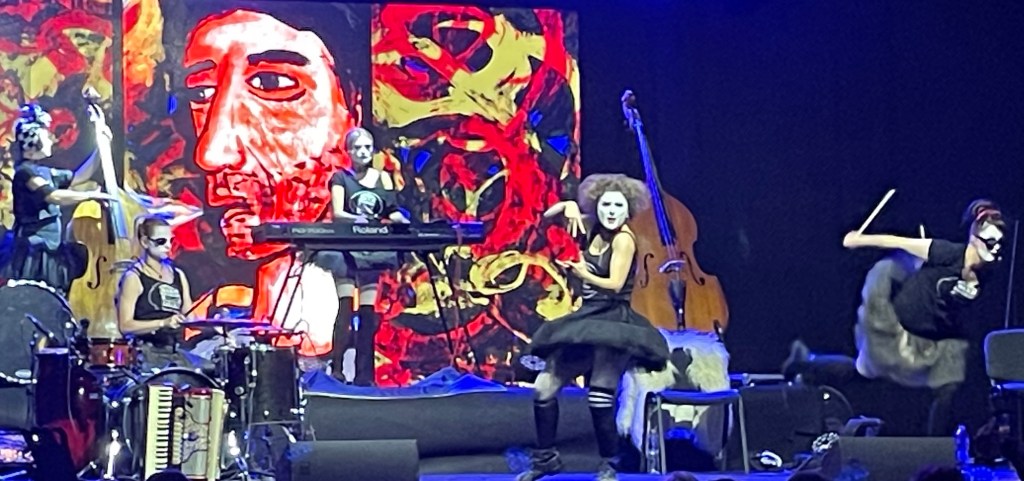
And then there’s what can only be described as the best street musicians in the world providing defiance/joy/inspiration.





 Miles from Nowhere